
We visit websites for various reasons multiple times a day, whether that is for the purpose of online shopping, a mediator for a service, or an information platform. The diverse forms of websites are endless. We are all influenced by the psychology of choice which affects our decision making process.
Even though there are a vast array of outlets for online traffic, certain websites are more successful. Have you ever thought what makes us choose a particular platform for our online shopping or service experience? Enter The Psychology of choice.
Psychologists and design researchers alike have found that certain aspects of a website such as colour schemes (see our previous blog on how colour can influence users) and imagery can influence users in a positive or negative way. Some can even influence your choices as a consumer into which particular products you may choose to buy on any given website.
Priming
The main thing that websites do in terms of effecting our mind state and choices is called priming. This refers to our non-conscious identification of certain objects and images. This could include using a corporate building image to prime the user with feelings of professionalism and efficacy. When included on a website this allows the user to form certain expectations. This tells them what the website can provide them with, and how effective it may be.
This priming in websites is highly likely to effect user engagement and satisfaction and ultimately decision making- which is a large part of the way we think thus directly effecting our online choices.
Text Colour
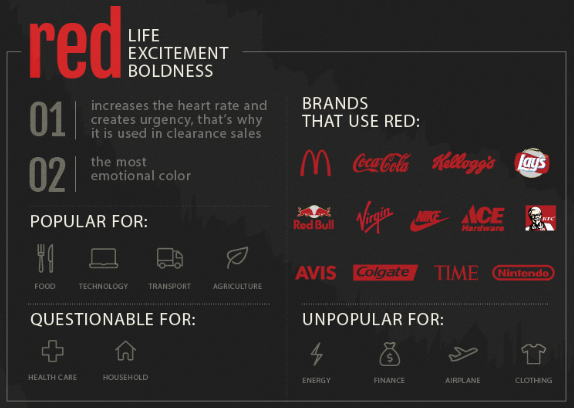
Ultimately, text is harder to read and distinguish between on a monitor compared to a piece of paper. It’s important for websites to be clear and concise yet vibrant enough to grab a user’s attention. This will guide them towards a possible purchase/ fulfilled interaction with the website. You can use singular primary colour and 1-2 secondary colours. This has found to be the optimum formula for creating a visually desirable and persuasive web platform that users enjoy interacting with.
Social research has shown this, alongside evidence of certain colours evoking particular emotions. This in turn is likely to affect how much or how little a user may engage with the websites desired purpose. For example, the colour green can suggest naturalness, life and prosperity in certain contexts.
Images & Icons
Images such as social media icons have shown to improve the interest of a consumer. This can influence how much value they place within a company and their products/services. However, these same icons can also provoke a negative response to certain websites. This may happen if the user does not want others to be aware of them using a certain product/ service.
Brand Equity
According to research evaluating people’s online decisions, websites can gain loyal and recurring usage by creating Brand Equity (see our previous blog on branding). This can be promoted in simple and sometimes covert forms such as a logo. For example, a simple yet aesthetically pleasing pictorial logo can convey positive emotions. This may empower a consumer and allow them to trust the brand. This shows how important establishing a satisfying recurring visual theme can be in converting a casual user into an avid consumer.
UI & UX
The usability and flow of a website has also been found as a predictor for online satisfaction and loyalty. This can be a subtle prime for how smooth the users’ experience is likely to be throughout.
In short, if you are really wanting to tap into the psychological desires of your user base. When creating your website, try to use priming to your advantage by matching certain imagery to your site/ companies’ goals and ethos. It’s all about the psychology of choice.
If you’d like to talk to us about your next website project why not call on: 0333 241 9303 or click the link below to complete the short enquiry form


